What Are Tennessee Alcohol Driving Laws?
Tennessee alcohol driving laws are designed to prevent impaired driving and protect public safety on roads across the state. These laws make it illegal to operate or be in physical control of a motor vehicle while under the influence of alcohol, a controlled substance, or any combination thereof that affects a driver’s ability to safely operate the vehicle. Let’s understand the details.
What Is the Alcohol Limit for Driving in Tennessee?
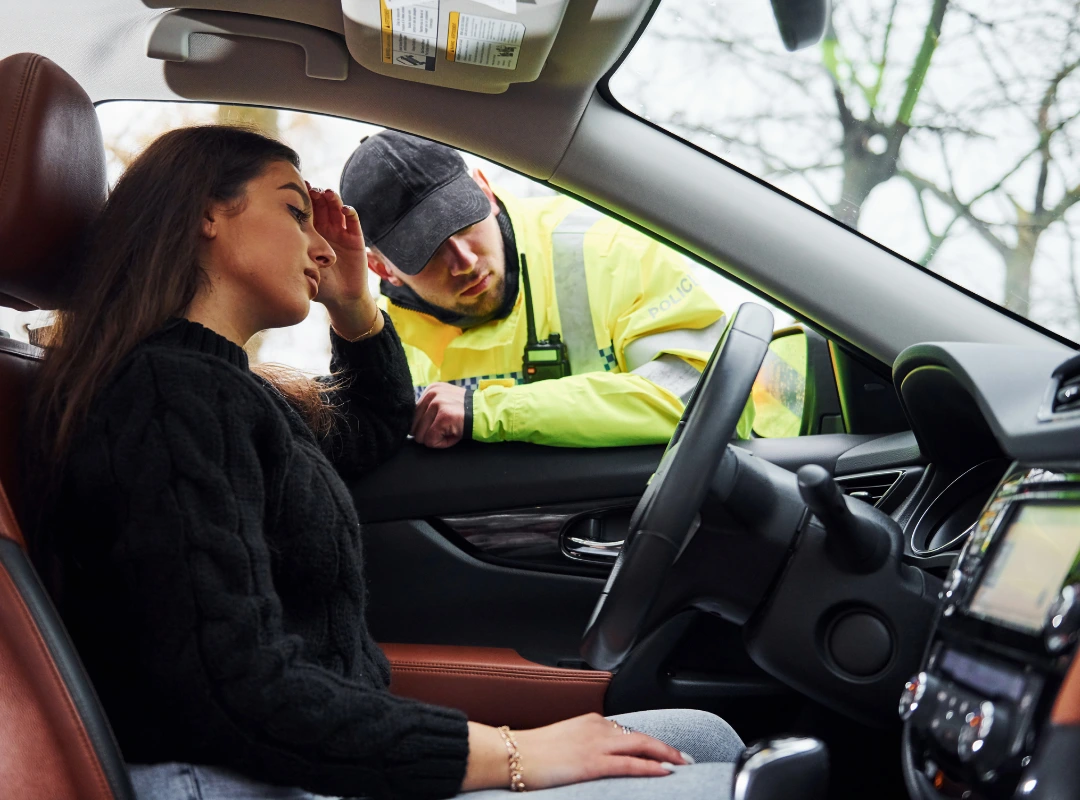
Under Tennessee DUI laws, a person can face a DUI charge even if they are not actively driving. Being in physical control of a motor-driven vehicle, such as sitting in the driver’s seat with the keys, can be enough for an arrest if impairment is evident. Law enforcement officers look at a person’s behavior, blood alcohol concentration, and other signs that the central nervous system is affected.
The legal BAC limit in Tennessee depends on the driver’s age and the type of vehicle being operated. For most adult drivers, the legal limit is 0.08% blood alcohol concentration (BAC). This means that if a person’s blood alcohol level reaches eight hundredths of one percent, they are considered legally impaired.
For commercial drivers, the limit is lower at 0.04%, and for drivers under 21, Tennessee follows a stricter standard of 0.02%. This lower threshold reflects a zero-tolerance approach to underage drinking and driving.
Even if a driver’s BAC is below the legal limit, they can still be charged with driving under the influence if their ability to safely operate the vehicle is impaired. A police officer may rely on field sobriety tests, a BAC test, and overall observation of the person’s condition.
How Many Drinks Is the 0.08 Limit?
There is no fixed number of drinks that guarantees a 0.08 BAC. The effect of alcohol varies depending on body weight, metabolism, gender, and how quickly alcohol is consumed. For some people, two drinks may be enough to approach the limit, while others may require more.
Alcohol affects the central nervous system, slowing reaction time and impairing judgment. Because of these differences, relying on a set number of drinks is risky. The safest approach is to avoid driving entirely after consuming alcohol. Need help to defend yourself against charges for driving while intoxicated in Tennessee? Contact BFP Law Firm now!

What Is the Alcohol Law in Tennessee?
Tennessee alcohol laws go beyond just setting a legal BAC limit. The law prohibits driving under the influence of alcohol, drugs, or any substance affecting a person’s mental or physical faculties.
A DUI offense can involve:
- Alcohol alone
- A controlled substance or controlled substance analog
- Prescription drugs or over-the-counter medications
- A combination of alcohol and drug use
The law applies to public roads, parking lots, apartment house complexes, shopping centers, trailer parks, and other premises generally accessible to the public. This broad definition ensures that impaired driving is addressed in nearly all public environments.
Is Tennessee a No-Tolerance State?
Tennessee is considered a “zero tolerance” state for drivers under 21. This means a blood alcohol concentration of just 0.02% can lead to penalties. While this is not a complete ban on any detectable alcohol, it is strict enough that even minimal alcohol consumption can result in a DUI charge for young drivers.
For drivers over 21, the state still enforces strict DUI laws, especially when aggravating factors are present. These factors can include high BAC levels, prior DUI conviction history, or causing serious injury or death.
What Happens After a DUI Arrest in Tennessee?
After a DUI arrest, the legal process begins quickly. A law enforcement officer may take the driver into custody, and the person will typically appear in court for an initial hearing. In some cases, a preliminary hearing or grand jury review may follow, depending on the severity of the offense.
Tennessee’s implied consent law plays a key role at this stage. By driving in the state, a person automatically consents to a BAC test. Refusing a BAC test can lead to immediate license suspension, even if the DUI charge is later challenged.
The court process will determine whether the person is convicted, and penalties will depend on whether it is a first offense, second offense, or third offense. Need a DUI lawyer to help you avoid a conviction? Call us now!

What Are the Penalties for a DUI Conviction?
Penalties for a DUI conviction in Tennessee increase with each offense and can be severe. Even a first offense carries mandatory consequences.
- First offense: Minimum 48 hours in jail, up to 11 months and 29 days, fines, license suspension for one year, and possible ignition interlock device
- Second offense: Minimum 45 consecutive days in jail, longer license suspension, and higher fines
- Third offense: Minimum 120 consecutive days in jail, extended license revocation, and stricter requirements
Additional penalties may include community service, alcohol and drug treatment programs, and installation of an ignition interlock device. In serious cases involving injury or death, charges can escalate to vehicular homicide, which carries much harsher punishment.
Can You Refuse a BAC Test in Tennessee?
Under the implied consent law, refusing a BAC test has its own consequences. A driver who refuses testing may face license suspension and other penalties separate from the DUI charge itself.
Refusal can also be used as evidence in court, potentially strengthening the prosecution’s case. While some drivers believe refusal helps avoid a DUI conviction, it often creates additional legal challenges.
How Do Tennessee DUI Laws Define “Physical Control”?
Tennessee DUI laws do not require a person to be actively driving. A person can be charged if they are in physical control of a vehicle while impaired. Courts consider factors such as whether the engine is running, where the person is seated, and whether they have access to the keys.
For example, a person found asleep in a parked car in a public area may still face a DUI charge if evidence suggests they had the ability to operate the vehicle.

Conclusion
Understanding Tennessee’s alcohol driving laws is essential for anyone who drives in the state. From strict BAC limits to serious penalties for a DUI conviction, the law takes impaired driving seriously. Even a first offense can lead to jail time, fines, and long-term consequences such as license suspension or installation of an ignition interlock device. Knowing your rights and responsibilities can help you avoid costly mistakes and protect your future.
Need Legal Help for a DUI in Tennessee? Contact BFP Law Firm
If you are facing a DUI charge, having the right legal guidance can make a significant difference. BFP Law Firm, based in Tennessee, provides criminal defense services for DUI cases and other alcohol-related offenses. Our DUI lawyers understand the local courts and work to protect your rights at every stage of the legal process in Elizabethton, Greenville, Nashville, and other areas in Tennessee.
Contact us at 423-833-6457 today to schedule a consultation and discuss your case with a qualified DUI attorney.
Frequently Asked Questions (FAQs)
Below, we’ve addressed some frequently asked questions about alcohol driving laws.
Q: What is the alcohol limit for driving in Tennessee?
A: The legal BAC limit is 0.08% for most drivers, 0.04% for commercial drivers, and 0.02% for drivers under 21.
Q: How many drinks is the 0.08 limit?
A: There is no exact number. It depends on factors like body weight, metabolism, and how quickly alcohol is consumed.
Q: What is the alcohol law in Tennessee?
A: It prohibits driving under the influence of alcohol, drugs, or any substance that impairs a driver’s ability to safely operate a vehicle.
Q: Is Tennessee a no-tolerance state?
A: Yes, for drivers under 21, a BAC of 0.02% can result in penalties under zero-tolerance laws.
Q: Can BFP Law Firm help with DUI cases in Tennessee?
A: Yes, BFP Law Firm handles DUI and criminal defense cases across Tennessee and can assist with legal representation.