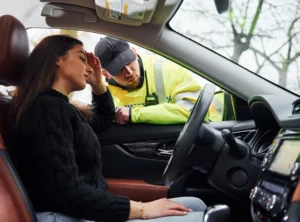
What Is a Public Intoxication Charge in Tennessee?
A public intoxication charge in Tennessee is a criminal offense that applies when a person appears in a public place under the influence of alcohol, a controlled substance, or any other substance to the degree that their mental or physical faculties are impaired. Under Tennessee state law, the focus is not just on intoxication but on how the intoxicated person behaves in a public environment.
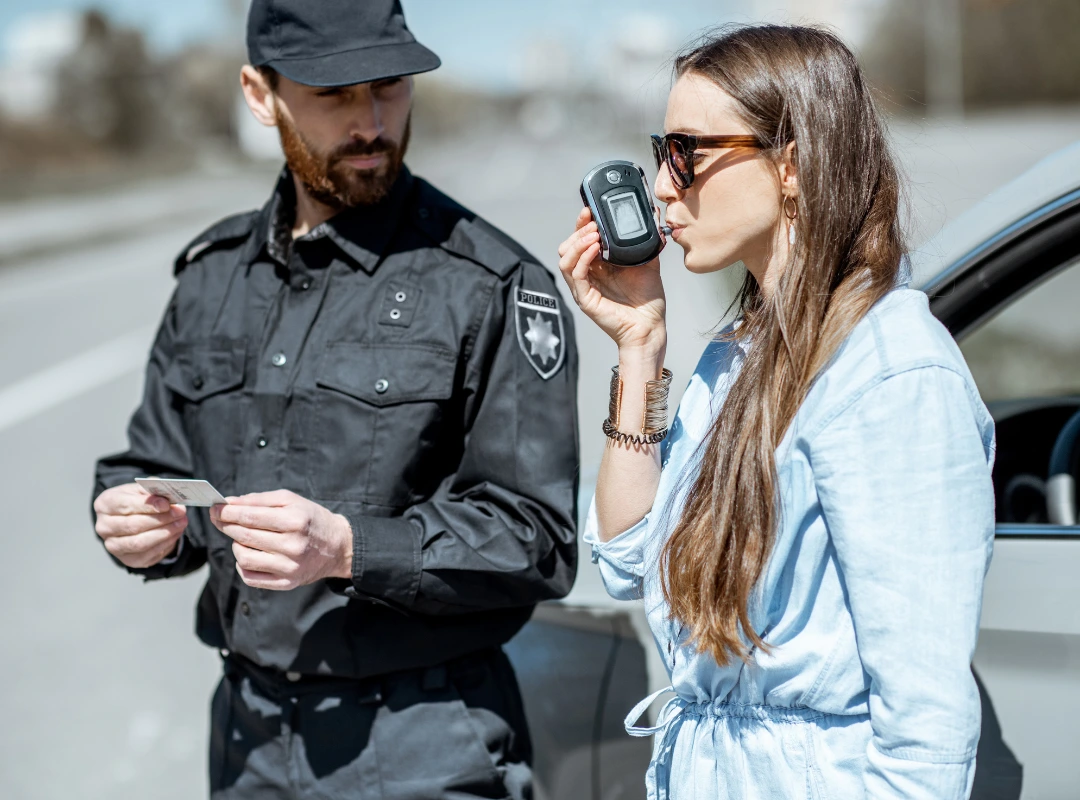
Public Intoxication Legal Definition & Criteria
According to the law, a person commits public intoxication when they are in a public place and pose a danger to their own safety or others, or their behavior is disruptive. This could include stumbling in a public street, engaging in disorderly conduct, or acting in such a manner that attracts attention from law enforcement officers. The law applies equally whether the influence comes from an alcoholic beverage, a dangerous drug, or even over-the-counter medications if they impair normal use of the person’s faculties.
Is Public Intoxication Illegal in Nashville?
Yes, public intoxication is illegal in Nashville because it is governed by Tennessee state law rather than separate local ordinances. This means that whether the incident occurred in downtown Nashville or a smaller town, the same legal standards apply.
In a busy public place, law enforcement officers are particularly attentive to disruptive behavior. A police officer may initiate a public intoxication arrest if the person appears to be a risk to their own safety, is interfering with others, or is acting in a disorderly manner. However, officers do have discretion. In some situations, instead of an arrest, they may allow a sober friend to take the individual home or recommend medical attention.
What Are the Elements of Public Intoxication Laws?
Public intoxication laws in Tennessee require prosecutors to prove specific elements before a person can be convicted. These include:
- The person was in a public place, not a private place or private property
- The person was under the influence of alcohol, a controlled substance, or another substance; AND
- The person’s behavior created a risk to their own safety or others, or involved disruptive behavior.
The arresting officer’s observations often play a central role in public intoxication cases. This may include noting slurred speech, lack of coordination, or unusual conduct. While blood alcohol content or alcohol concentration can be used as evidence, it is not always required for a criminal conviction.
What Are the Penalties for Public Intoxication in Tennessee?
A public intoxication charge is classified as a Class C misdemeanor, which is considered a minor offense in the legal system but still carries consequences. The penalties for public intoxication may include:
- Up to 30 days in county jail
- A maximum fine of $50
- Court costs and administrative fees
- Possible community service or probation
Even though the fine is relatively low, the bigger concern is the creation of a permanent criminal record. A public intoxication conviction can show up in background checks, which may affect employment, housing, or educational opportunities.
In some cases, especially for first-time offenders, the court may allow a deferred disposition. This means the person charged can avoid a conviction if they meet certain conditions, such as completing community service or avoiding further legal trouble. Need help with defense against charges of driving while intoxicated? Contact our criminal defense attorneys now!
How Serious Is a Public Intoxication Charge?
While it is a misdemeanor, a public intoxication charge should not be taken lightly. It is still a criminal offense and can have lasting consequences beyond the initial arrest.
For example, a public intoxication arrest may lead to additional charges if the person’s behavior escalates. Related offenses can include disorderly conduct, resisting arrest, or even more serious allegations, depending on the situation. Young people, in particular, may face long-term effects if a criminal record follows them into adulthood.
The seriousness also depends on the circumstances. If the intoxicated person posed a clear danger or caused harm, the court may impose stricter punishment terms. On the other hand, if there is insufficient evidence or reasonable doubt about the person’s behavior, the charges may be reduced or dismissed.
What Is Another Word for Public Intoxication?
Public intoxication is often referred to by other terms, depending on context. Common alternatives include “public drunkenness” and “drunk and disorderly.” In some legal discussions, it may overlap with disorderly conduct if the person’s behavior is particularly disruptive.
While the terminology may vary, the underlying issue remains the same: a person under the influence in a public space acting in a way that threatens safety or order.
Can You Be Charged on Private Property?
In most cases, public intoxication laws apply only when the person is in a public place. However, certain areas of private property that are open to the public, such as parking lots or businesses, may still qualify as public spaces under the law.
If a person is inside a private place not accessible to the public, a public intoxication charge is less likely. That said, other legal issues could arise depending on the person’s behavior, including civil penalties or other criminal charges.
What Are Common Defenses to a Public Intoxication Charge?
A criminal defense attorney may use several strategies to challenge a public intoxication charge. Common defenses include arguing that the person was not actually in a public place, that their behavior was not dangerous or disruptive, or that there is insufficient evidence to prove impairment.
In some cases, medical conditions or the effects of medication prescribed by a licensed physician may explain the person’s behavior. If the prosecution cannot prove the required elements beyond a reasonable doubt, the case may not result in a conviction.
Each case is different, and the outcome often depends on the specific facts, the arresting officer’s report, and how the defense is presented in court. Head to our blog to learn the criminal defense tactics in Tennessee.
Conclusion
A public intoxication charge in Tennessee may seem like a minor issue at first glance, but it carries real legal and personal consequences. From fines and possible jail time to a lasting criminal record, the impact can extend far beyond the initial incident. Understanding how public intoxication laws work, what triggers an arrest, and what defenses are available can make a significant difference if you or someone you know is facing such a charge.
Need Help With a Public Intoxication Charge in Tennessee? Contact BFP Law Firm
If you have been charged with public intoxication, it is important to speak with a criminal defense attorney as soon as possible. BFP Law Firm is based in Tennessee and focuses on criminal defense cases, including misdemeanor charges like public intoxication.
Our attorneys handle criminal defense, family law, personal injury, DUI, assault, drug crimes, and complex legal matters with a focus on protecting your future. Contact us at 423-833-6457 today to schedule a consultation and get legal support in Elizabethton, Greenville, Nashville, and other areas.
Frequently Asked Questions (FAQs)
Below, we’ve answered some commonly asked questions about public intoxication charges in Tennessee.
Q: What is the maximum fine for public intoxication in Tennessee?
A: The maximum fine is $50, although court costs and other fees may increase the total amount owed.
Q: Is public intoxication illegal in Nashville?
A: Yes, it is illegal under Tennessee state law, which applies in Nashville and across the state.
Q: How serious is a public intoxication charge?
A: It is a Class C misdemeanor. While considered a minor offense, it can still result in jail time and a permanent criminal record.
Q: What is another word for public intoxication?
A: Common terms include public drunkenness, drunk and disorderly, and disorderly intoxication.
Q: Can BFP Law Firm help with public intoxication cases in Tennessee?
A: Yes, BFP Law Firm handles criminal defense cases across Tennessee and can assist individuals facing public intoxication charges.