Understanding Field Sobriety Tests in DUI Cases
What Are Field Sobriety Tests & Why Are They Used?
Field sobriety tests are roadside physical and mental exercises used by police officers to assess a driver’s ability to operate a vehicle safely. In Tennessee, officers primarily use standardized field sobriety tests developed by the National Highway Traffic Safety Administration (NHTSA). These tests are intended to help officers assess impairment and determine whether probable cause exists for a DUI arrest.
Officers rely on their observations during these tests to evaluate a driver’s balance, coordination, attention, and ability to follow instructions. The results are documented and later used in the prosecution’s case. However, these tests do not measure blood alcohol concentration and cannot definitively prove alcohol or drug impairment.
Standardized Field Sobriety Tests Used in Tennessee
Tennessee law enforcement officers are trained to administer three standardized field sobriety tests. These are the horizontal gaze nystagmus test, the walk-and-turn test, and the one-leg stand test. Each test focuses on different aspects of physical coordination and cognitive abilities.
How Does the Horizontal Gaze Nystagmus (HGN) Test Work?
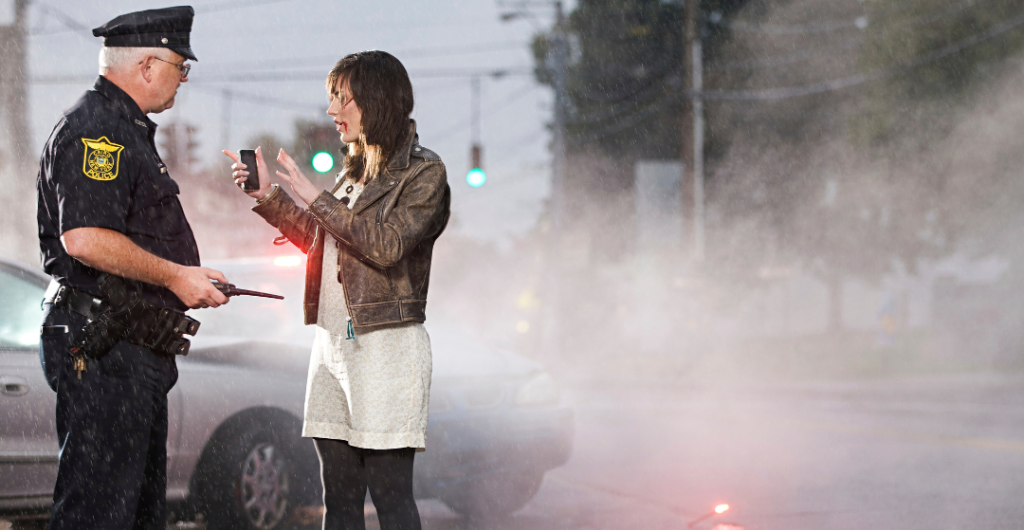
The horizontal gaze nystagmus test examines involuntary jerking movements of the eyes. During this test, the officer asks the driver to follow a moving object, such as a pen or flashlight, using only their eyes. The officer observes whether the eyes move smoothly or display jerking motions at certain angles.
The theory behind the HGN test is that alcohol or drug impairment can exaggerate these involuntary eye movements. However, nystagmus can also be caused by neurological disorders, inner ear problems, head injuries, fatigue, or certain medications. Improperly administered HGN tests are common, and even small deviations from proper procedure can affect the accuracy of the results.
What Is the Walk-and-Turn Test & What Does It Measure?
The walk-and-turn test is designed to assess a person’s balance, coordination, and ability to follow instructions. The officer instructs the driver to stand heel-to-toe on a straight line, take nine heel-to-toe steps, turn in a specific manner, and return in the same manner while counting aloud.
This test assumes ideal conditions, which are rarely present during a roadside stop. Uneven surfaces, poor lighting, weather conditions, road slope, and passing traffic can all affect a driver’s performance. In addition, difficulty maintaining balance does not necessarily indicate alcohol or drug impairment, particularly for individuals with joint problems, back injuries, or limited mobility.
How Does the One Leg Stand Test Assess Impairment?
The one-leg stand test requires the driver to stand on one leg, raise the other leg several inches off the ground, and count aloud for approximately 30 seconds. Officers observe whether the driver sways, uses their arms for balance, or puts their foot down.
This test places significant physical demands on the driver and can be difficult even for sober individuals. Age, weight, muscle strength, balance issues, and medical conditions such as arthritis or inner-ear problems can all affect performance. Environmental factors, such as wind or uneven pavement, further reduce the reliability of this test.
Are Field Sobriety Tests Mandatory in Tennessee?
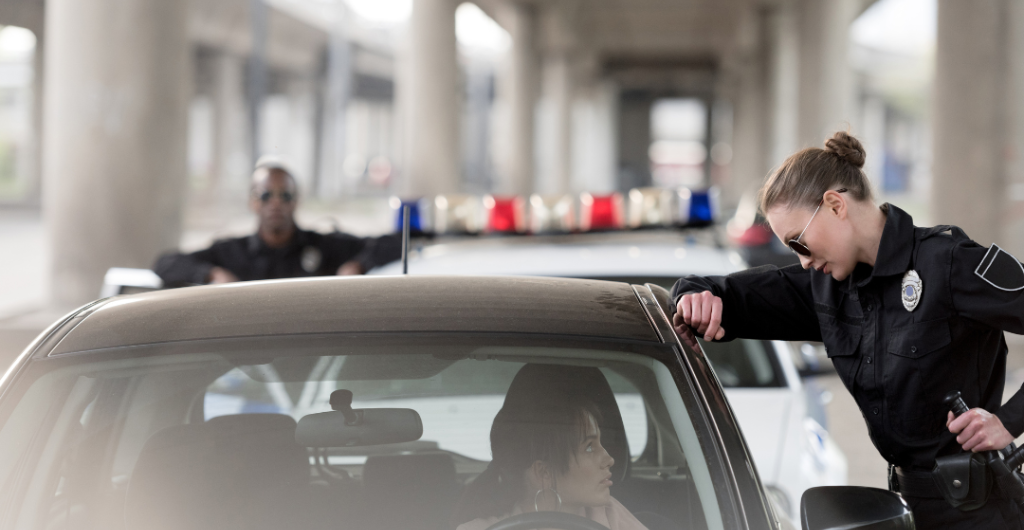
In Tennessee, drivers are not legally required to perform field sobriety tests. These tests are voluntary, and refusing them does not violate Tennessee’s implied consent law. However, officers may note the refusal and use it to support their observations when establishing probable cause for a DUI arrest.
It is important to understand that refusing field sobriety tests is different from refusing chemical tests, such as breathalyzer tests or blood tests. Refusing chemical tests can result in automatic driver’s license suspension under Tennessee law, while refusing roadside sobriety tests does not carry the same immediate legal consequences.
How Do Police Officers Use Field Sobriety Test Results?
Police officers use field sobriety test results to support their belief that a driver may be impaired. These results are combined with other observations, such as the smell of alcohol, slurred speech, bloodshot eyes, or erratic driving behavior. Together, these factors may establish probable cause for a DUI arrest.
During DUI cases, prosecutors often rely on the officer’s testimony regarding the driver’s performance on the tests. However, because these tests are subjective and observational, they can be challenged in court.
How Reliable Are Field Sobriety Tests?
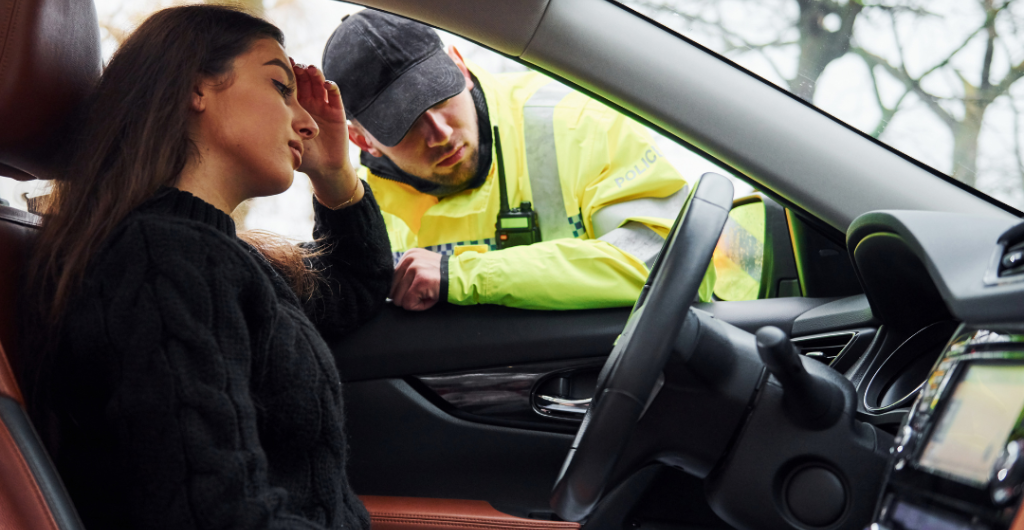
Field sobriety tests are not scientifically precise and are influenced by many factors unrelated to impairment. The NHTSA itself acknowledges that these tests are screening tools, not definitive proof of intoxication. Environmental factors such as poor lighting, uneven surfaces, weather conditions, and roadside distractions can significantly affect test results.
Additionally, stress and anxiety during a traffic stop can impair a driver’s performance. Many sober individuals struggle with balance or coordination under pressure, particularly when instructed to perform unfamiliar tasks in front of police officers.
Can Medical Conditions Affect Field Sobriety Test Results?
Medical conditions frequently impact field sobriety test performance. Neurological disorders, inner ear problems, diabetes, arthritis, back injuries, and vision impairments can all cause poor performance that mimics signs of impairment. Certain medications may also affect balance, coordination, or eye movement.
Drivers are not required to disclose medical conditions during a traffic stop, but these conditions often play a critical role in DUI defense. A DUI defense attorney may present medical evidence to explain poor performance and provide alternative explanations for the officer’s observations.
How Are Field Sobriety Tests Challenged in DUI Defense?
A skilled DUI defense attorney may challenge field sobriety test results by examining whether the tests were properly administered and whether external factors influenced performance. Video footage from body cameras or dash cameras may contradict the officer’s written report. Inconsistent instructions, poor testing conditions, or a lack of proper training can weaken the prosecution’s case and create reasonable doubt. Field sobriety tests are only one part of the evidence in DUI cases, and they do not stand alone as proof of guilt.

FAQs About Field Sobriety Tests in Tennessee
Here are some commonly asked questions about field sobriety tests in Tennessee.
Yes, many medical conditions and medications can affect test performance.
Final Thoughts
Understanding field sobriety tests in DUI cases is critical for Tennessee drivers. These tests are widely used but far from perfect. They rely on subjective observations and are influenced by environmental factors, medical conditions, and testing conditions. While officers may use these tests to justify a DUI arrest, they do not provide definitive proof of impairment. Knowing how these tests work and how their results can be challenged is an important step in protecting your rights and building a strong DUI defense.
Call BFP Law Firm for DUI Defense Attorneys in Tennessee
Criminal charges can carry serious consequences, including fines, probation, or jail time. BFP Law Firm handles a wide range of criminal defense cases, including DUI, theft, assault, drug charges, and property crimes.
Our experienced criminal defense lawyers and DUI attorneys also offer criminal defense services, DUI services, family law services, and personal injury representation. Call 423-820-0330 to speak with an expert criminal defense lawyer and schedule a confidential consultation today!