
What to Expect During a DUI Arrest?
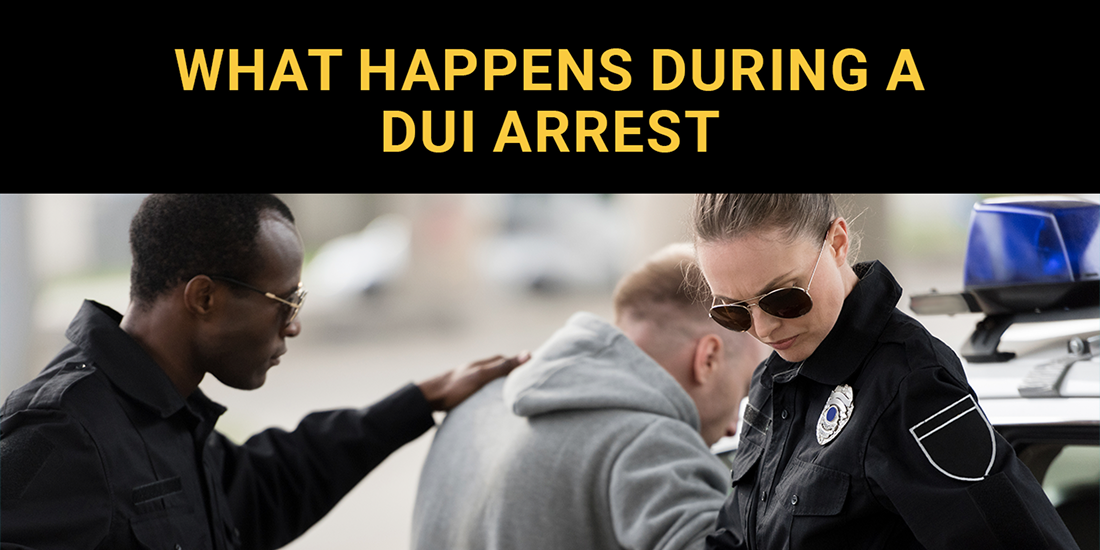
Traffic Stop
Officers frequently request driver’s licenses and registration during traffic stops to validate identity and check for outstanding warrants. Plus, they also ask about recent alcohol consumption during this stop. Depending on their jurisdiction, officers may inquire about the patterns of drug or alcohol consumption during these stops.
Police use all aspects of your driving history when determining probable cause to stop and question you. So, you must stay aware of how others perceive your driving. Officers may note signs of intoxication, like slurred speech or bloodshot eyes, and may ask you to complete field sobriety tests or breathalyzer tests as part of this evaluation process. Here are some of the different impacts of DUI charges on your personal and professional life.
Field Sobriety & Breath Tests
Officers typically administer field sobriety tests, such as the Walk-and-Turn and One-Leg Stand (OLS), as these are highly subjective assessments that rely on the officer’s judgment.
Failing these tests gives officers cause to arrest you and request a chemical test. Although numerous factors, such as uneven pavement, poor lighting, or nervousness, could affect performance. You could also suffer from conditions such as vertigo or leg injuries, which could hamper results.
If there are any such medical conditions, you should talk to your lawyer. They can use these circumstances to help build your defense.

Miranda Rights & DUI Charges
These rights enable an individual to remain silent and request legal advice before being interrogated by the police. As stated before, even if you are innocent, refrain from speaking or acting rashly. The most common of them is resisting arrest. Stay calm, and demand your right to call a lawyer.
An experienced DUI lawyer can assist with defending against charges should there have been any violations of your Miranda rights during the DUI investigation process.
Booking & Processing for DUI Case
Once field sobriety tests and breathalyzer tests are completed, you will be taken to either a precinct or jail for initial processing. This involves gathering your personal information and taking a fingerprint. At this point, you are eligible to post bail, an amount of money that ensures your attendance at future court dates. Failure to appear could result in an arrest warrant being issued against you.
While in custody, you will have access to phone calls. It is wise not to divulge too much information, as any details provided could be used against you in court proceedings. Plus, it can have severe consequences on employment and eligibility for government programs and benefits.
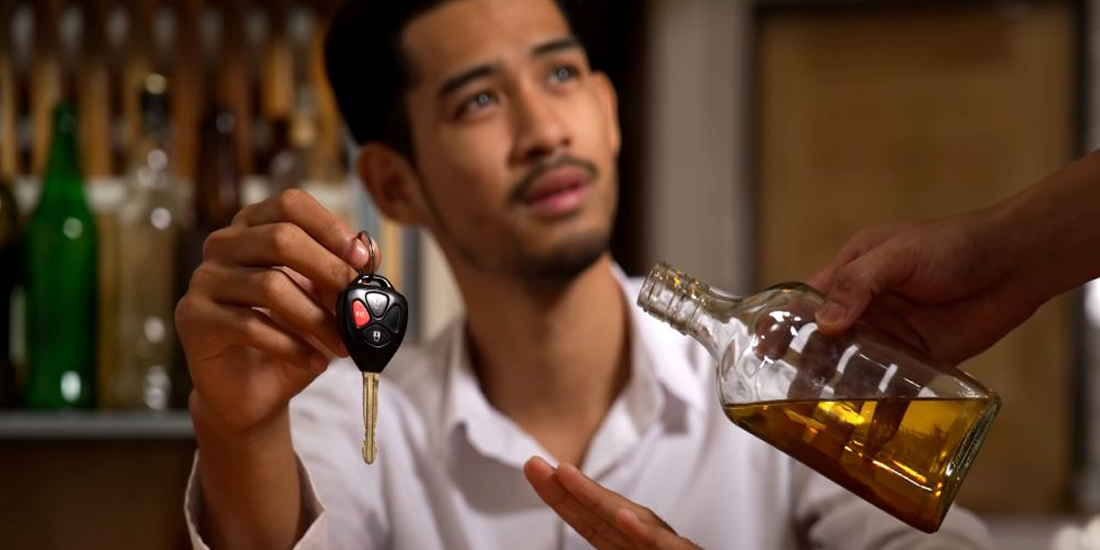
Arrest & Transport After DUI Conviction
Once an officer has decided that there is sufficient cause to arrest you for DUI, they will inform you of your rights before handcuffing and transporting you to either a police station or jail for further processing, at an arraignment, where a judge or jury will make their determination as to your guilt.
An arraignment typically occurs within 24 hours after an arrest, at which time the judge will read off formal charges against you and allow you to enter a plea. If handcuffing occurred during this stop, your attorney may review whether proper procedures were followed, including your Miranda rights.
An unsuccessful DUI court process may result in fines, license suspension or revocation, probation, and mandatory alcohol education programs. Your best course of action will be to hire an experienced DUI lawyer. They will fight for what’s right and help you get a minimum sentence if you are proven guilty.
DUI Court Process
Officers conducting a booking process will collect personal data, fingerprints, and photographs of suspects before noting the alleged offense and assigning a case number.
If eligible, some suspects may be released on their own recognizance (known as an OR bond), meaning they don’t have to pay money but must promise to appear in court. Others may be required to post a monetary bond to secure their release. Those who cannot make bond will remain in custody at a police station or jail until their court appearance, known as an “arraignment,” is scheduled.
Your attorney will guide you through this complex legal process of arraignments, pre-trial hearings, and a DUI trial, if necessary. They can negotiate with prosecutors for reduced charges or penalties to bring about favorable outcomes for their clients.

Final Thoughts
A DUI arrest can feel like the end of the world, but it doesn’t have to be. Every step you take after your arrest matters, so the best step would be to hire a professional lawyer. Don’t let a single moment define your future. The law is complex, but with the right legal help, you have a real chance at reducing the impact on your life.
Call BFP Law Firm - Your DUI Defense Starts Here
A DUI arrest is stressful, confusing, and can put your entire future at risk. That’s why the BFP Law Firm makes every effort to stand between you and the full weight of the criminal justice system. Our DUI attorneys take all necessary steps to handle every stage of the process.
Call the BFP Law Firm today to schedule a confidential consultation with us.