
What Is a Decree in Divorce? Understanding the Final Step
In the legal world, that final step of the divorce is marked by a specific document. You might hear terms like “settlement agreement” or “final judgment”. But the most critical document you will receive is the divorce decree.
Many people confuse this with a divorce certificate, but they serve very different purposes. One is a simple record that the divorce occurred; the other is the rulebook for your post-divorce life. This blog breaks down exactly what a decree is, how it differs from other documents, and why it matters for your finances, custody arrangements, and future.
What Exactly Is a Divorce Decree?
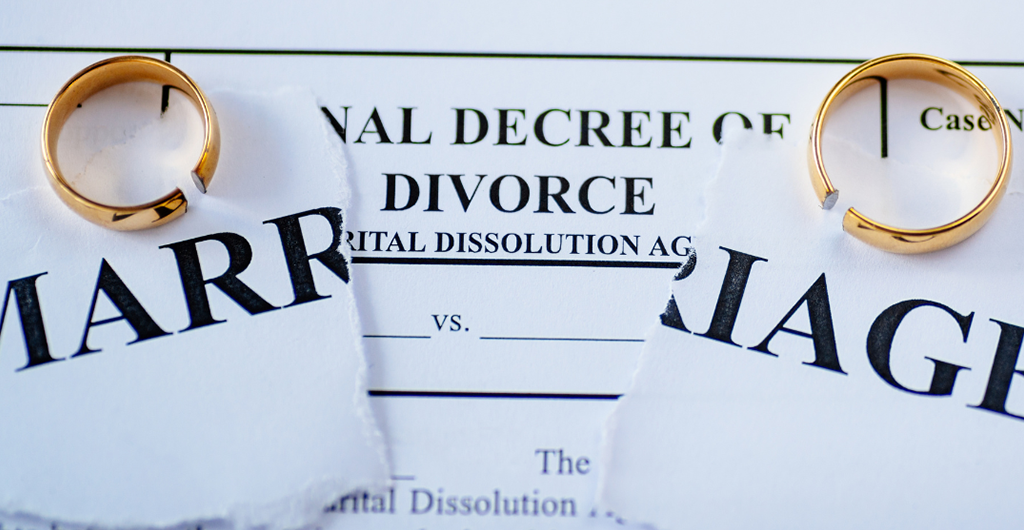
A divorce decree is the final court order that legally ends your marriage. It is the document the judge signs to finalize the divorce case. It spells out exactly how marital assets and debts are divided. It dictates who gets the house, how the bank account funds are split, and who is responsible for credit card debt.
If there are minor children involved, the decree outlines child support, custody schedules, and visitation rights. It is the final word from the court, and both parties must follow it. Why is this document so long? Because it has to be. It covers everything from health insurance coverage for children to spousal support (alimony).
Here’s a complete guide to understand the difference between Divorce and Annulment.

Divorce Decree vs. Divorce Certificate
A divorce certificate is a simple document issued by the state’s vital records office or health department. It contains basic information:
- Names of both parties
- Divorce date
- Location where the divorce occurred
The certificate is essentially proof that you are divorced. You use it for simple tasks. Want to remarry and get a new marriage license? You will likely need a divorce certificate. Need to change your name on a passport or apply for a travel visa? This simple document usually suffices.
However, a divorce decree is much more detailed. It contains sensitive information about your settlement, finances, and children. Because it includes private details like division of property and support amounts, you typically do not use it for general identification purposes.
Unlike the certificate, the decree is the enforcement mechanism. If your ex-spouse fails to pay child support, you take the decree (not the certificate) to court to enforce payment.
What Information is Included?
The decree is comprehensive. It typically includes:
- Case Information: The case number, names of parties, and the county.
- Status of Marriage: A statement declaring the marriage dissolved.
- Property Division: Who gets the car, house, furniture, and investments.
- Debt Allocation: Who pays the Visa bill, the mortgage, or student loans.
- Spousal Support: Details on alimony amounts, duration, and method of payment.
- Child Custody & Support: A Permanent Parenting Plan (in Elizabethton) is often attached, detailing visitation schedules and child support obligations in Elizabethton.
- Name Change: Authorization for a spouse to return to a former name.
This document is revealing. It lays bare the financial and personal details of the marriage’s end. Because of this, some couples in high-net-worth divorces try to keep certain details private by referencing a separate, unfiled settlement agreement, though this varies by jurisdiction.
Here’s a complete guide to understanding if domestic violence is a felony in Tennessee.
How the Decree Handles the Other Party
The decree is legally binding for both the plaintiff (the person who filed) and the defendant (the other party). It sets clear boundaries and obligations. For instance, if the judge orders that one party must refinance the home mortgage within 90 days, that deadline is set in stone within the decree.
This document protects both sides. Let’s say the other party refuses to hand over a specific piece of property listed in the agreement. You don’t have to argue back and forth. You simply point to the court order. If they still refuse, they can be held in contempt of court.
The Divorce Decree Process
How do you actually get this document? The process depends on whether your divorce is contested or uncontested. In an uncontested case, you and your spouse (often with the help of family law attorneys in Knoxville) draft a Marital Dissolution Agreement (MDA).
This agreement outlines how you will split everything. Once you both agree, the document is presented to the judge. If the judge finds it equitable, they approve it and incorporate it into the final decree. Here, the judge listens to evidence regarding finances, parents’ fitness, and asset contributions. After the trial, the judge issues a ruling. This ruling is then typed up into the formal decree.
Explore more: Understand the difference between dissolution and nullity of the marriage.
Frequently Asked Questions (FAQs)
A decree of divorce is the final, formal order issued by a court that legally terminates a marriage. It outlines the rights and responsibilities of each divorced spouse regarding property division, debts, child custody, and support. It serves as the official legal proof that the marriage has ended.
A decree is simply an official order issued by a legal authority, such as a judge. In the context of law, a judicial decision is a ruling that resolves the issues in a legal case and establishes the parties’ rights and obligations.
After the decree is issued, the parties must follow its instructions. This includes transferring property titles, splitting bank accounts, paying support, and adhering to custody schedules. You can also legally remarry, change your name, and update estate plans or beneficiary designations on insurance policies.
A decree works as an enforceable set of rules. Once signed by a judge, both parties are legally bound to follow its terms. If one person violates the terms, the other person can return to court to ask a judge to enforce the order and punish the violation.
Yes, a divorce decree is typically a final judgment. It concludes the divorce lawsuit. However, certain parts of the decree involving children (such as custody and support) or alimony can be modified later if there is a significant change in circumstances, but property division is usually permanent.
The Bottom Line on Divorce Decrees
The divorce decree is the most important document you will receive from your divorce. From changing your name to enforcing child support, the decree is the key to moving forward. If you have questions about the terms of the divorce or need to review a proposed decree before it is signed, do not hesitate to contact a legal professional. Getting it right before the ink dries is essential for your peace of mind.
Your Fresh Start Begins with BFP Law
Navigating the complexities of a divorce decree requires attention to detail and a deep understanding of Tennessee law. At BFP Law Firm, our experienced attorneys ensure that your final decree accurately reflects your settlement and protects your finances and family.
Whether you need strong defence for a DUI or criminal charge, compassionate guidance through an adoption matter, or determined representation for a personal injury claim, our team is here to protect your rights and your future.
We handle the paperwork, deal with the court, and fight for a fair division of assets so you can focus on your new beginning. If you need help finalizing your divorce or enforcing an existing order, contact us today for a consultation.