
What Does a Criminal Defense Lawyer Do?
If you’ve ever watched cases being fought on TV, you might think a criminal defense lawyer spends all their time shouting “Objection!” in front of a jury. In reality, their work is far more detailed and more critical for anyone facing charges. So, let’s answer the questions of what a criminal defense lawyer does and why their role is so crucial in the criminal justice system.
Understanding the Role of a Criminal Defense Attorney
So, what does a criminal defense lawyer do? In simple terms, they represent people accused of committing a criminal offense. Their primary role is to provide legal representation for the criminal defendant, explain the legal process, and advocate for their clients’ rights.
A professional criminal defense attorney guides clients through the criminal justice system from the initial court date to the final verdict. They challenge evidence, question witnesses, and look for the best opportunities to establish reasonable doubt in front of a jury.

Legal Representation in a Criminal Case
A defense lawyer focuses on providing strong legal representation, especially when the stakes are high in a criminal case. They may negotiate with prosecutors, review police reports, and work with investigators to uncover new evidence.
This work extends beyond the courtroom. Much of it happens behind the scenes — through legal research, motion preparation, and analysis of the case. The goal remains the same: to protect the defendant’s rights and promote fairness throughout the criminal court process.
Difference Between Criminal Lawyers & Defense Attorneys
You may hear the terms “criminal attorneys,” “criminal lawyers,” and “defense attorneys” used interchangeably. Each refers to a professional who practices criminal law and defends individuals accused of committing a crime.
Criminal lawyers may work in private law firms or serve as prosecutors or court-appointed attorneys for local or federal governments. Court-appointed attorneys represent individuals who cannot afford private counsel.
Investigating the Case
So, what does a criminal defense lawyer do once they take on your case? The first step is generally an investigation. Criminal lawyers handle everything from interviewing witnesses to reviewing the arrest report. They may visit the crime scene, examine the evidence, and review the police’s work for mistakes which helps them find holes in the prosecution’s story. The stronger the investigation, the stronger the strategy of criminal defense they can build.

Working Within the Complex Criminal Justice System
The criminal justice system can sometimes be intimidating for those who are unfamiliar with it. A defense lawyer guides clients through each step, explains upcoming procedures, prepares them for court dates, and manages legal paperwork.
Remember that when someone faces a criminal offense, deadlines move really fast. A missed filing could hurt the entire case. This is the reason why working with an experienced criminal defense attorney who understands the legal process is so valuable.
Negotiating a Plea Bargain
Remember that not every criminal case goes to trial; in fact, many are resolved through a plea bargain. A criminal defense attorney negotiates with the prosecutor to obtain reduced charges or a more lenient sentence in exchange for a guilty plea.
Knowing when to accept a plea bargain and when to go to trial is one of the most critical decisions a criminal defense lawyer may help their client make. This decision requires a strong understanding of criminal law and the tendencies of the criminal court.
Going to Trial
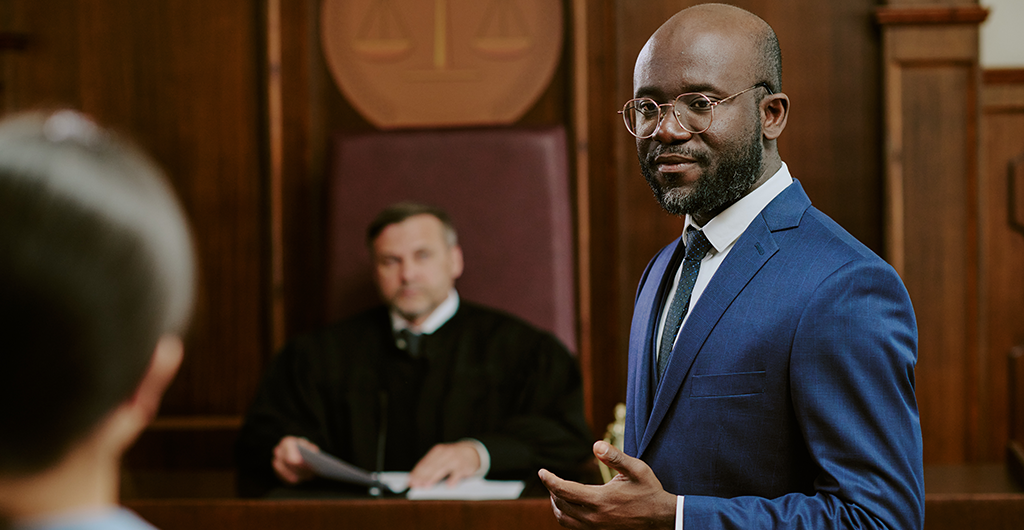
If your case does go to trial, your defense lawyer takes center stage, which is the part most people picture when thinking about what a criminal defense lawyer does.
During the trial, the defense attorney presents evidence, cross-examines witnesses, and argues to the jury that reasonable doubt exists regarding the accusations against the client. They object to improper questions, deliver opening and closing statements, and advocate for a fair outcome.
The Education & Training Behind Criminal Lawyers
All criminal lawyers have gone through law school, passed the bar exam, and earned the right to practice law. Many gain additional experience by working in law offices that handle criminal defense cases.
Some start as court-appointed attorneys before moving into private law firms. This background gives them a detailed understanding of the legal process and the inner workings of the criminal justice system.
Private Law Firms vs. Court-Appointed Attorneys
When someone is charged with a criminal offense, they generally have two options for legal representation: accepting a court-appointed attorney or hiring a defense lawyer from a private law firm.
Court-appointed lawyers are experienced, but they generally manage large caseloads. Private defense attorneys can offer more personalized attention, though this requires discussing legal fees and ensuring that the arrangement meets your needs.

Legal Fees & Payment
- Hourly rate
- A flat fee
- Or offer payment plans.
Defense Attorneys Beyond the Courtroom
Many people are surprised to learn that criminal lawyers handle much more than courtroom arguments. They might work with probation officers, help clients access rehabilitation programs, and negotiate sentencing terms that could improve their outcomes.

Final Thoughts: Why a Criminal Defense Lawyer Matters
A criminal defense lawyer does far more than show up in court. They investigate, guide, negotiate, and try to fight for you at every step of the legal process. These legal professionals understand criminal law, are familiar with the criminal justice system, and give their best to protect your rights.
If you’re facing a criminal charge, having an experienced defense attorney can make a real difference in your case. Choosing a reputable lawyer gives you the best chance to protect your rights and build a strong defense. Take time to find the one who’s best suited for your situation.
Schedule Your Consultation Today with BFP Law Firm
Understanding what a criminal defense lawyer or firm does is only the first step; finding the right team to stand by you is next. If you need a defense attorney to support you through your legal matters, contact BFP Law Firm. We offer services in criminal defense, DUI representation, family law, adoption, and personal injury.
We serve clients in Elizabethton, Greeneville, Knoxville, and Nashville, Tennessee. For more information or to schedule a consultation, call us at 423-820-0330 now and book your consultation.